

Industrial Chemical Pump Guide
In the world of manufacturing and processing, moving liquids is a daily task. However, when those liquids are harsh chemicals, acids, or corrosive fluids, a standard water pump simply won’t work. Choosing the right Industrial Chemical Pump is one of the most important decisions a plant manager or engineer can make.
Selecting the wrong pump is not just a minor mistake; it can be a dangerous and expensive one. The wrong equipment can lead to sudden leaks, rapid corrosion, and frequent downtime. Even worse, it can create major safety hazards for your workers. To ensure a smooth and safe operation, you must evaluate several technical factors before making a purchase.
At Rinku Engineers, we understand the challenges of chemical handling. In this guide, we will walk you through the essential checklist to help you find the perfect chemical process pump for your specific needs.
What is an Industrial Chemical Pump?
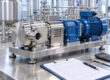
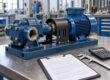
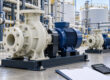
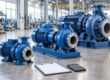
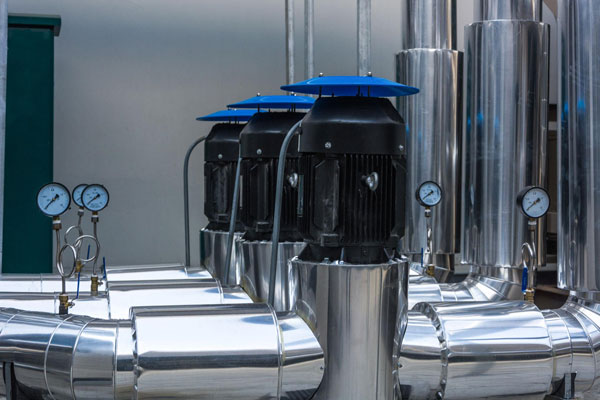
An Industrial Chemical Pump is a specialized piece of equipment designed specifically to move chemicals, acids, solvents, and other corrosive liquids. Unlike standard pumps, these are built to withstand harsh environments where regular metals would melt or rust away.
- Materials: They are often made from non-reactive materials like Polypropylene (PP), PVDF, or specialized stainless steel.
- Applications: You will find them in chemical processing plants, pharmaceutical labs, textile dyeing units, and water treatment facilities.
- Safety Features: These pumps are engineered to prevent leaks and handle “aggressive” liquids that might be thick (viscous), hot, or highly reactive.
Why Choosing the Right Industrial Chemical Pump Matters
Common Types of Industrial Chemical Pumps
| Pump Type | Best For | Main Benefit |
| Polypropylene Pumps | Acids, Alkalis, and Corrosive Fluids | Highly cost-effective and rust-proof. |
| Magnetic Drive Pumps | Toxic or Expensive Chemicals | Zero-leakage design (no seals). |
| Centrifugal Pumps | High-volume transfer | Simple design and easy to maintain. |
| Air Operated Diaphragm | Thick liquids and Slurries | Can run dry without damage. |
What to Check Before Buying an Industrial Chemical Pump
Type of Chemical Being Handled
Not all chemicals behave the same way. Is the liquid acidic or alkaline? Is it a thin solvent or a thick, viscous syrup? Some chemicals also contain small solid particles (slurry). You must know the exact concentration and chemical name to ensure the pump can handle it without melting or clogging.
Pump Material Compatibility
This is the most critical step. If you are using an acid transfer pump, you need a material that won’t react with that specific acid.
- Polypropylene (PP): Excellent for many acids and alkalis at moderate temperatures.
- PVDF: Better for highly aggressive chemicals and higher temperatures.
- Stainless Steel: Good for certain solvents but can corrode quickly with some acids.
Flow Rate Requirement
Flow rate refers to how much liquid you need to move in a specific amount of time (usually measured in Liters per Minute or Cubic Meters per Hour). If the pump is too small, your process will be too slow. If it is too large, you will waste energy and potentially damage your piping system.
Head and Pressure Capacity
“Head” refers to the height the pump needs to lift the liquid. If you are moving chemicals from a ground-floor tank to a third-floor reactor, you need a pump with high head capacity. You also need to consider the horizontal distance and any friction created by bends in the pipes.
Temperature of Liquid
Chemicals often change their behavior when they get hot. A material that is safe at room temperature might fail at 80°C. Always check the maximum operating temperature of the industrial chemical pump to ensure the plastic or seals won’t deform under heat.
Seal Type and Leakage Protection
The seal is usually the most vulnerable part of a pump. For very dangerous or expensive chemicals, many businesses choose “seal-less” magnetic drive pumps. For standard applications, a high-quality mechanical seal designed for chemical resistance is necessary to prevent drips and fumes.
Power Consumption and Efficiency
Energy costs add up quickly. Look for pumps with efficient motors and hydraulic designs. An energy-saving pump might cost a little more upfront, but it will save you thousands in electricity bills over its lifetime.
Maintenance and Spare Parts Availability
Even the best pumps need servicing. Check if the chemical pump supplier provides easy access to spare parts like O-rings, impellers, and seals. Choosing a local manufacturer like Rinku Engineers ensures you won’t have to wait weeks for a part to arrive from overseas.
Industries Using Industrial Chemical Pumps
- Chemical Industries: For the basic manufacturing of raw chemical materials.
- Textile and Dyeing Units: Moving dyes and bleaching agents into large vats.
- Electroplating Plants: Handling the harsh acids used to coat metals.
- Pharmaceutical Industries: Precise movement of ingredients for medicines.
- Water Treatment Plants: Pumping chlorine and other chemicals to clean water.
- Fertilizer Industries: Managing the highly corrosive materials used in agricultural products.
Common Mistakes Buyers Make
- Choosing the Wrong Material: Buying a metal pump for a chemical that requires a polypropylene pump.
- Ignoring Chemical Compatibility: Assuming a pump that works for one acid will work for all of them.
- Buying Based Only on Price: A “cheap” pump that breaks every month is actually much more expensive than a quality one.
- Wrong Flow Calculation: Failing to account for the thickness of the liquid or the height of the lift.
- No Technical Consultation: Buying from a catalog without talking to an expert engineer first.
Why Choose Rinku Engineers?
When you are dealing with dangerous chemicals, you need a partner you can trust. Rinku Engineers has built a reputation as a leading industrial pump manufacturer in India.
- Trusted Expertise: We have years of experience helping industries solve their toughest chemical handling problems.
- Quality Polypropylene Pumps: Our PP pumps are designed for maximum durability and chemical resistance.
- Corrosion-Resistant Solutions: We use only high-grade materials to ensure your pump survives the harshest environments.
- Technical Selection Support: Our engineers don’t just sell you a pump; they help you calculate the flow, head, and compatibility to ensure a perfect fit.
- Durable Industrial Designs: Our pumps are built for 24/7 industrial use, not just light duty.
- Reliable After-Sales Service: We stand by our products with expert support and a ready supply of spare parts.
FAQs
It is used to safely transfer hazardous, corrosive, or reactive liquids that would destroy standard water pumps.
A Polypropylene pump or a PVDF pump is usually the best choice for acid transfer because these plastics do not react with most acids.
If the pump material is not compatible with the chemical, it can dissolve, crack, or leak, leading to dangerous accidents and equipment failure.
You need to know your required flow rate (how fast) and the total dynamic head (how high and how far) the liquid needs to travel.
Common materials include Polypropylene (PP), PVDF, Stainless Steel (SS 316), and various types of Teflon lining.
You can buy reliable, high-performance pumps directly from Rinku Engineers, a specialist manufacturer of industrial chemical handling solutions.
Conclusion
Buying an Industrial Chemical Pump is a technical task that requires careful planning. By checking the chemical type, material compatibility, and flow requirements, you can protect your workers and your bottom line. Remember, the goal is to find a pump that is not just “good,” but “right” for your specific liquid.
Investing in a high-quality chemical process pump today prevents the headaches of leaks and repairs tomorrow. With the right equipment, your facility can run safely, efficiently, and profitably.