

Polypropylene Pumps for Corrosives
Have you ever wondered how big factories move dangerous liquids from one place to another? Moving harsh chemicals is not an easy task. To keep the workplace safe and keep production running smoothly, there is a massive need for safe and reliable pump materials. You cannot just use any standard metal pump for harsh chemicals. This is exactly where Polypropylene Pumps come into the picture. They are a trusted, proven solution for moving difficult liquids safely. In this detailed guide, we will explore why these special pumps are the perfect choice for your chemical handling needs.
What Are Polypropylene Pumps?
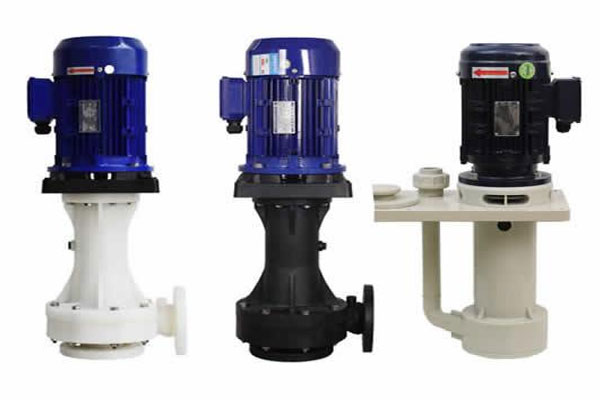
A Polypropylene Pump is a highly specialized piece of equipment. As the name suggests, these are pumps made using polypropylene material. Polypropylene, often just called PP, is a type of very tough, hard plastic that does not easily react with chemicals.
These pumps are specifically designed for chemical and corrosive liquid transfer. Unlike everyday water pumps, a polypropylene chemical pump is built to survive in the harshest factory conditions. They feature a lightweight and durable construction. This means they are not as heavy as solid iron or steel, but they are still tough enough to handle heavy daily use. Today, they are widely used in industrial fluid handling systems all over the world, helping factories move everything from wastewater to strong acids without breaking down.
Why Polypropylene Pumps Are Ideal for Corrosive Liquid Handling
There are many reasons why plant managers and engineers choose these pumps over traditional metal ones. Let us look at the top reasons why a Polypropylene Pump is the best choice for tough jobs.
Excellent Chemical Resistance
The biggest advantage of these pumps is how well they handle bad chemicals. Because they are a true corrosion resistant pump, they do not break down when they touch dangerous fluids. They are highly suitable for acids, alkalis, and various other industrial chemicals. When a strong acid touches metal, it burns right through it. But when it touches polypropylene, the material stays strong and unharmed.
Rust Free Performance
Metal pumps have a major enemy: rust. Whenever metal mixes with liquids and air, rusting is a big risk. However, with polypropylene, you get completely rust-free performance. Because there is no metal in the parts that touch the liquid, there are absolutely no metal corrosion problems. This keeps the liquid clean and stops the pump from falling apart over time.
Lightweight and Easy Installation
Moving heavy industrial equipment is difficult and sometimes dangerous for workers. Polypropylene is much lighter than metal. This offers easier handling than metal pumps. Workers can move, lift, and install an industrial chemical pump made of PP much faster and with less effort. This saves time and money during the installation process.
Long Service Life
Investing in factory equipment is expensive, so you want machines that last. Polypropylene offers a strong body with low wear. Even when moving harsh chemicals every single day, the inside of the pump does not wear out quickly. This gives the pump a very long service life, giving you peace of mind that your factory will keep running.
Leak Safe Operation
When dealing with dangerous chemicals, a leak can be a disaster. It can harm workers and damage the environment. Polypropylene pumps are designed for leak-safe operation. They come with highly reliable sealing options, like Teflon or mechanical seals, that keep the dangerous liquids safely locked inside the pipes and the pump body.
Cost Effective Solution
Every business wants to save money. While special metals that resist chemicals (like titanium) are very expensive, polypropylene is very affordable. Using these pumps provides a highly cost-effective solution. Because they do not rust and rarely break down, you get the benefit of lower maintenance and replacement costs over the life of the pump.
Common Corrosive Liquids Handled by Polypropylene Pumps
- Acids: Strong chemicals like sulfuric acid, hydrochloric acid, and nitric acid. An acid handling pump made of PP is perfect for these.
- Alkalis: Harsh basic liquids like sodium hydroxide (caustic soda) and potassium hydroxide.
- Chemical solutions: Mixed chemical batches used in making products like fertilizers or soaps.
- Waste liquids: Dirty water and chemical runoff that needs to be moved to a safe disposal area.
- Cleaning chemicals: Strong industrial soaps and detergents used to clean large factory machines.
- Process liquids: Various fluids that are part of the daily manufacturing process in large plants.
Industries Using Polypropylene Pumps
- Chemical plants: For mixing and moving the raw chemicals used to make everyday products.
- Electroplating units: Places that coat metals need pumps to move the strong acid baths used in the plating process.
- Water treatment plants: Facilities that clean drinking water or treat wastewater use strong chemicals that need safe pumping.
- Textile industries: Factories that make clothes use harsh dyes and bleaches that must be moved carefully.
- Pharmaceutical plants: Medicine factories need very clean, safe pumps to move the chemicals used to create drugs.
- Metal finishing industries: Similar to electroplating, these factories use strong acids to clean and prepare metal parts.
Polypropylene Pump vs Metal Pump
| Feature | Polypropylene Pumps | Metal Pumps |
| Material Weight | Very lightweight and easy to handle. | Very heavy and hard to move. |
| Chemical Resistance | Excellent against most acids and alkalis. | Poor, unless using very expensive special metals. |
| Rusting | 100% rust-free. | High risk of rust and metal breakdown. |
| Purchase Cost | Highly affordable and budget-friendly. | Expensive to buy and install. |
| Maintenance | Low maintenance, easy to clean. | High maintenance, requires frequent part checks. |
Why Choose Rinku Engineers
- Trusted pump manufacturer: With years of experience, Rinku Engineers is a known and respected name in the industry.
- Quality materials: They use only the highest grade of polypropylene to ensure your pump lasts a long time.
- Reliable industrial designs: Their pumps are built for tough, continuous factory work.
- Custom solutions available: If you have a unique problem, they can build a pump that fits your exact needs.
- Competitive pricing: You get top-quality pumps without spending all of your factory’s budget.
- Technical support: Their team of experts is always ready to help you with installation, questions, and repairs.
Maintenance Tips
- Flush after use: If you are shutting the pump down for a while, run clean water through it to wash out the harsh chemicals.
- Inspect seals regularly: Check the seals every few weeks to make sure no drops of liquid are leaking out.
- Avoid dry running: Never turn the pump on if there is no liquid inside. Running it dry can quickly melt or break the plastic parts.
- Clean deposits: Sometimes chemicals leave crusty dirt behind. Clean this out so the pump does not get clogged.
- Use correct motor settings: Ensure your electrical settings match the motor to prevent power spikes and burnouts.
FAQs
They are used for moving dangerous, highly corrosive liquids like strong acids, harsh chemicals, and industrial wastewater from one place to another safely.
Yes, absolutely! Polypropylene is naturally resistant to most common industrial acids, making it the perfect material for an acid handling pump.
When it comes to corrosive liquids, yes. Metal pumps will rust and dissolve when they touch strong acids, but PP pumps will not rust and will last much longer in chemical environments.
Many industries use them, including chemical manufacturing, water treatment, textiles, electroplating, pharmaceutical production, and metal finishing.
If they are used correctly and maintained well, they can last for many years. Their exact lifespan depends on the specific chemicals being pumped and how often they are used.
You can buy top-quality, highly durable pumps directly from Rinku Engineers, a leading and trusted pump manufacturer in the industry.
Conclusion
Handling dangerous chemicals does not have to be a nightmare for your factory. By choosing Polypropylene Pumps, you are picking a solution that offers unmatched safety, incredible corrosion resistance, and amazing low-cost benefits. They do not rust, they are lightweight, and they will keep your factory running smoothly without expensive breakdowns. When you need equipment you can rely on, it is always best to work with experts. We highly recommend Rinku Engineers as your trusted source for all your industrial pumping needs.