



Bellow mechanical seals are widely used in pumps to improve performance, reduce leakage, and increase reliability. These seals are designed with a flexible bellows element that replaces traditional springs, making them ideal for handling high temperature, pressure, and corrosive fluids. If you are looking for a bellow mechanical seal manufacturer or supplier in Ahmedabad, Gujarat, this guide will help you understand everything in simple terms. In the world of industrial machinery, the heartbeat of a factory is often its pumping system. Whether it is moving chemicals, water, or oil, the efficiency of these machines depends on a tiny but critical component: the sealing system. Bellow Mechanical Seals have emerged as a game-changer for industries looking to reduce downtime and prevent leaks. Without a high-quality seal, a pump can suffer from fluid loss, shaft damage, and frequent breakdowns that cost thousands of dollars in repairs.
Industrial pumps operate under intense pressure, high speeds, and extreme temperatures. Traditional sealing methods often struggle to keep up with these harsh conditions. However, Bellow Mechanical Seals are specifically designed to improve pump performance and reliability by offering a flexible, durable solution. By using a bellows structure instead of a sliding secondary seal, these components provide a tighter fit and better resistance to wear, ensuring that your industrial operations run smoothly day and night.
What Are Bellow Mechanical Seals?
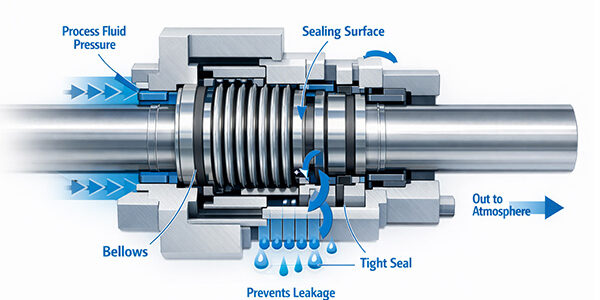
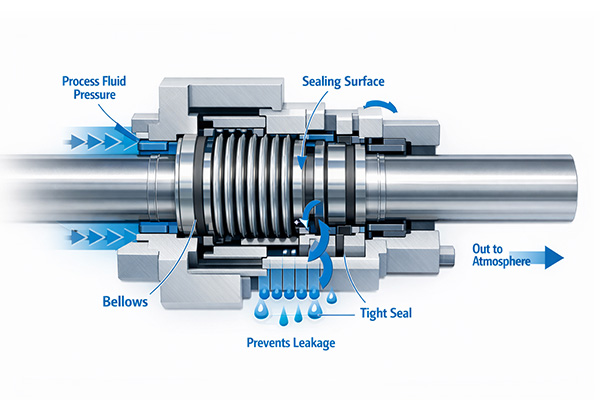
A Bellow Mechanical Seal is a specialized type of pump mechanical seal used to prevent fluid from leaking out of the pump along the rotating shaft. Unlike standard seals that use springs and O-rings that slide back and forth on the shaft, a bellow seal uses a flexible “bellows” (a concertina-like structure) to maintain contact between the sealing faces.
These seals are used in pumps because they can handle “shaft run-out” or slight misalignments better than rigid seals. The primary difference between a bellow mechanical seal and a traditional seal is the lack of dynamic gaskets. In a traditional seal, an O-ring must slide along the shaft; if the shaft is dirty or worn, the O-ring gets stuck. A bellow seal eliminates this sliding movement, which significantly reduces the risk of seal failure and shaft wear.
How Bellow Mechanical Seals Work in Pumps
Understanding how a mechanical seal for pump operations works is essential for any plant engineer. The primary goal is to keep the liquid inside the pump while allowing the shaft to rotate freely.
The Working Principle
The working principle of a bellow mechanical seal relies on the tension of the bellows itself. Instead of a separate spring pushing the seal faces together, the bellows act as both a spring and a static seal.
Step-by-Step Explanation:
- Face Contact: Two extremely flat surfaces (faces) are pressed against each other. One rotates with the shaft, while the other stays still on the pump casing.
- Flexibility: As the pump operates, the shaft might vibrate or move slightly. The bellows expands and contracts like an accordion to keep the faces pressed together perfectly.
- Pressure Balancing: The fluid pressure inside the pump acts on the bellows. The design ensures that this pressure helps keep the seal closed rather than forcing it open.
Sealing the Path: Because the bellows is joined (welded or molded) to the seal components, there is no path for the liquid to escape behind the seal.
Key Components of Bellow Mechanical Seals
To understand why a bellow mechanical seal manufacturer builds these parts a certain way, look at this breakdown of the components:
Component Function Table
| Component | Function |
|---|---|
| Bellows | Acts as a spring and a leak-proof barrier; allows for axial movement. |
| Seal Faces | The primary barrier (usually made of Carbon, Silicon Carbide, or Tungsten) that prevents leakage. |
| Gland Plate | The heavy metal outer part that holds the seal assembly onto the pump housing. |
| Static Gaskets | Provides a seal between the gland and the pump body (non-moving). |
| Drive Collar | Secures the rotating part of the seal to the pump shaft. |
Types of Bellow Mechanical Seals
There are several variations of industrial mechanical seals depending on the material and construction:
-
Metal Bellow Mechanical Seal:
Made from high-grade alloys like Stainless Steel or Inconel. These are perfect for high-temperature applications and refinery services where chemicals might eat away at rubber.
-
Elastomer Bellow Seal:
Made from rubber-like materials (NBR, Viton, or EPDM). These are commonly used in water pumps and wastewater treatment because they are cost-effective and flexible.
-
Welded Metal Bellows Seal:
Created by welding individual metal disks together. This creates a very strong, precise seal used in high-tech industries like aerospace or pharmaceuticals.
-
Teflon (PTFE) Bellow Seal:
Used specifically for highly corrosive acids that would destroy metal or standard rubber.
Advantages of Bellow Mechanical Seals in Pumps
Using a bellow mechanical seal offers several massive benefits for industrial systems:
- Improved Pump Reliability: Since there are no moving O-rings to get “hung up,” the seal lasts much longer without failing.
- Reduced Leakage: The flexible design ensures a more consistent seal face contact, which prevents hazardous or expensive liquids from escaping.
- Longer Service Life: Bellows distribute the spring force evenly across the seal faces, reducing uneven wear.
- High Temperature Performance: Metal bellow mechanical seals do not rely on rubber parts, meaning they can operate in heat that would melt regular seals.
- Corrosion Resistance: Manufacturers can use exotic metals to ensure the seal survives in harsh chemical environments.
- Self-Cleaning: The centrifugal force of the rotating bellows helps throw away particles, preventing dirt from clogging the seal.
Applications of Bellow Mechanical Seals
You will find these pump mechanical seals in almost every major industry:
- Chemical Plants: Handling aggressive acids and bases that require the durability of a metal bellow mechanical seal.
- Wastewater Treatment: Managing fluids with solids and grit where traditional seals would quickly wear out.
- Oil and Gas Industry: Used in refineries for high-temperature crude oil and volatile hydrocarbons.
- Pharmaceutical Industry: Where clean, leak-free operation is mandatory to prevent batch contamination.
- Food Processing: Using food-grade elastomer bellows to ensure hygiene while pumping syrups or oils.
Bellow Mechanical Seal vs. Traditional Mechanical Seal
Comparison Table
| Feature | Bellow Mechanical Seal | Traditional (Spring/O-Ring) Seal |
|---|---|---|
| Maintenance | Low (Fewer moving parts) | Medium (O-rings need replacing) |
| Leakage Risk | Very Low | Moderate (O-rings can leak) |
| Flexibility | High (Handles shaft wobble) | Limited (Strict alignment needed) |
| Durability | Long | Average |
| Shaft Wear | None (No sliding parts) | Can cause “fretting” or grooves |
Common Problems Solved by Bellow Mechanical Seal
Many engineers switch to a mechanical seal for pump systems featuring bellows to solve chronic issues:
- Shaft Misalignment: If the pump motor and shaft aren’t perfectly straight, a standard seal will crack. The bellows act like a shock absorber to handle the “wobble.”
- High Temperature: Standard rubber O-rings become brittle and crack in high heat. Metal bellows solve this by removing the rubber entirely.
- Corrosive Fluids: In traditional seals, chemicals can get trapped under the O-ring and eat the shaft. Bellows protect the shaft from the fluid.
- Vibration: Heavy machinery vibrates. The bellows design absorbs these micro-shocks, keeping the sealing faces stable.
How to Select the Right Bellow Mechanical Seal for Pumps
Choosing the right seal from a bellow mechanical seal manufacturer requires checking four main factors:
- Fluid Type: Is it water, acid, or oil? Acids require Teflon or special metals, while water can use standard elastomers.
- Operating Temperature: If the liquid is hotter than 200°C, you must use a metal bellow mechanical seal.
- Pump Speed: High-speed rotation requires a balanced bellow seal to prevent the faces from opening up due to centrifugal force.
- Pressure: Ensure the bellows thickness is rated for the maximum pressure of your pump system.
Key Features of Bellow Mechanical Seal
No Dynamic Elastomers
Balanced Design
Uniform Face Loading
Compact Size
Non-Clogging
Maintenance Tips for Pump Mechanical Seals
- Monitor the Temperature: A sudden rise in seal temperature usually means the faces are rubbing too hard or lubrication is lost.
- Check for Vibration: Excessive pump vibration can eventually fatigue the metal in the bellows.
- Keep the Flush Line Clear: Many seals use a “flush” to keep the area cool; ensure this line is never blocked.
- Don’t Run Dry: Never start the pump without fluid, as this will burn the seal faces in seconds.
- Inspect During Outages: Look for “bluing” of the metal or chips in the seal faces during regular maintenance.
FAQs About Bellow Mechanical Seal
What is a Bellow Mechanical Seal?
A Bellow Mechanical Seal is a type of pump seal that uses a flexible bellows element instead of springs and sliding O-rings to maintain a leak-proof barrier. It is known for its ability to handle shaft movement and its lack of parts that wear down the pump shaft.
How does a bellow mechanical seal work in pumps?
It works by using the flexibility of the bellows to keep two sealing faces in constant contact. As the pump shaft rotates, the bellows expands or contracts to compensate for any movement, while the fluid pressure helps keep the seal tight.
What is the difference between metal bellow seal and elastomer seal?
A metal bellow seal is made of welded or formed metal and is used for extreme heat and chemicals. An elastomer seal uses rubber-like materials and is generally used for lower temperature water and general-purpose applications.
Why are bellow mechanical seals used in chemical pumps?
They are used because they don’t have moving O-rings that can get stuck or “clogged” by chemical crystals. Also, the materials used in bellows can be very resistant to strong acids that would destroy regular seals.
How long does a bellow mechanical seal last?
If installed correctly and used within its limits, a bellow mechanical seal can last 2 to 5 years. This is often much longer than traditional seals that may fail within a year due to shaft wear.
Can bellow seals handle high temperature fluids?
Yes, metal bellow mechanical seals are specifically designed for high-temperature use. Since they don’t have rubber parts, they can handle temperatures exceeding 400°C in some industrial designs.
What industries use bellow mechanical seals?
They are widely used in oil refineries, chemical processing, pharmaceutical manufacturing, water treatment, and food and beverage production.
How to maintain a pump mechanical seal?
Regularly check for leaks, monitor the pump’s vibration levels, and ensure the cooling/flush system is working. Most importantly, never allow the pump to run dry, as this is the leading cause of seal failure.
Conclusion
In summary, Bellow Mechanical Seals are a superior choice for modern industrial applications. By eliminating the sliding parts that cause shaft wear and by providing a flexible, “accordion-style” response to pump vibration, these seals significantly improve pump performance and reliability. Whether you are dealing with high-heat oil or corrosive chemicals, choosing a seal from a reputable bellow mechanical seal manufacturer will reduce your maintenance costs and extend the lifespan of your machinery. Investing in a high-quality pump mechanical seal today means fewer headaches and a more profitable operation tomorrow.