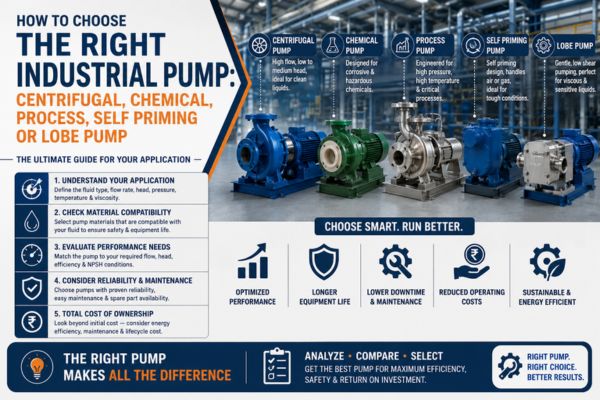
Chemical Pump Types Materials and Selection Guide

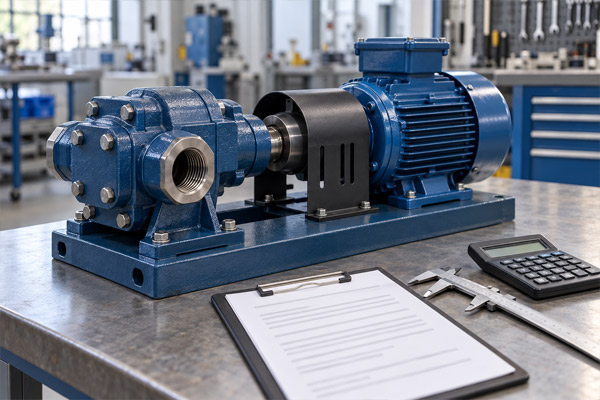
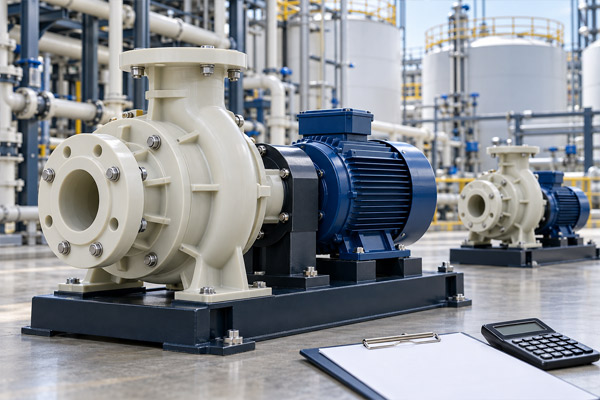
Handling aggressive industrial fluids is a dangerous and highly specialized task. A standard water pump will fail quickly if you use it to move strong acids, toxic solvents, or highly caustic liquids. To prevent dangerous leaks and plant shutdowns, facilities rely on specialized equipment designed specifically for these harsh environments. Understanding the different chemical pump…

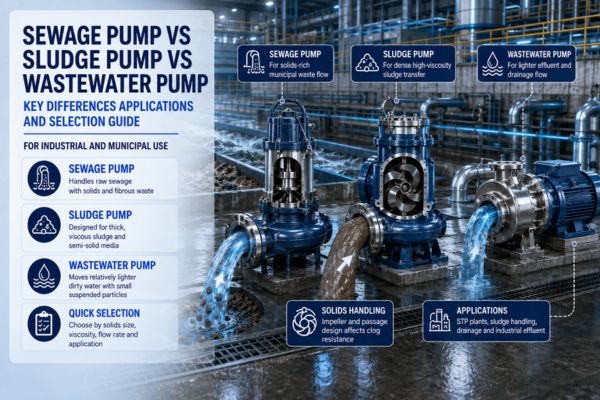
Sewage, sludge and wastewater pump comparison showing solids handling and fluid differences

Sewage Pump vs Sludge Pump vs Wastewater Pump

Managing dirty water in an industrial plant or municipal facility is a challenging task. Plant engineers and operators must move millions of liters of fluid every day. However, not all dirty water is the same. Some fluids contain large solids, some are thick like mud, and others are mostly clear. Because fluids behave differently, using…

Rotary lobe pump cutaway infographic showing opposing lobes, suction, discharge and low-shear flow

Rotary Lobe Pump Working Principle Types Advantages and Applications

Handling thick, sticky, or delicate liquids requires specialized industrial equipment. When standard centrifugal pumps fail, plant engineers turn to robust positive displacement pumps to get the job done. Among these, the lobe pump stands out for its exceptional performance. Understanding the rotary lobe pump working principle helps operators maintain their equipment better and improve plant…

Optimizing Industrial Wastewater, Slurry, and Effluent Handling

Optimizing Industrial Wastewater, Slurry, and Effluent Handling Your effluent treatment plant (ETP) operates 24/7, treating hundreds of thousands of liters of industrial wastewater daily. But three times this month alone, your circulation pump has clogged and stopped flowing. Production has backed up; wastewater is accumulating in holding tanks. The EPA compliance officer is asking uncomfortable…