

Corrosion Resistant Pump Benefits
In any industrial setting that deals with chemicals, the equipment is constantly under attack. Strong acids, alkalis, and reactive fluids are necessary for production, but they are incredibly destructive to standard machinery. Among all the equipment in a plant, the pump is often the most vulnerable because it is in direct, constant contact with these “aggressive” liquids. When a standard pump begins to corrode, it doesn’t just stop working one day. It slowly loses efficiency, starts to leak, and eventually suffers a total breakdown. This leads to expensive repairs, lost production time, and serious safety risks. This is why smart business owners and engineers invest in Corrosion Resistant Pumps. These specialized tools are designed to survive where others fail, significantly extending the life of your industrial systems.
At Rinku Engineers, we have seen firsthand how the right equipment can transform a business’s bottom line. In this guide, we will explore how choosing the right chemical resistant pump can save your equipment and your budget.
What Are Corrosion Resistant Pumps?
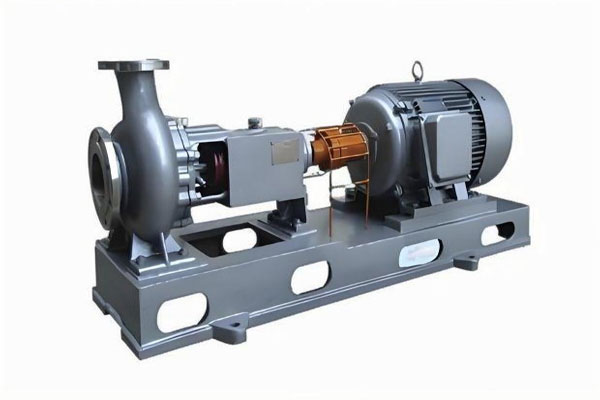
A corrosion resistant pump is a piece of industrial machinery specifically engineered to move liquids that would eat through standard iron or steel. These are not just “painted” or “coated” versions of regular pumps; they are built from the ground up using materials that are chemically inert.
- Materials: They are commonly made from heavy-duty plastics like Polypropylene (PP) and PVDF, or specialized alloys that do not react with acids.
- Purpose: They are primarily used as an acid transfer pump or a chemical process pump in environments where liquid purity and equipment durability are essential.
- Design: The internal parts—such as the impeller, casing, and shaft—are all protected from chemical attack to ensure the pump can run for thousands of hours without needing a replacement.
Why Corrosion is a Serious Problem in Industries
Common Materials Used in Corrosion Resistant Pumps
| Material | Best For | Main Benefit |
| Polypropylene (PP) | Mild to Strong Acids & Alkalis | Very affordable, lightweight, and 100% rust-proof. |
| PVDF | Highly Aggressive Chemicals | High temperature resistance and extreme chemical strength. |
| Stainless Steel | Solvents and High Pressure | Strong physical durability for non-acidic industrial use. |
| PTFE (Teflon) Lined | Most Dangerous Chemicals | Provides the strength of metal with the resistance of plastic. |
How Corrosion Resistant Pumps Increase Equipment Life
Protect Internal Pump Components
Inside a pump, the impeller spins at high speeds to move liquid. If the impeller is made of a material that reacts with the chemical, it will slowly dissolve or become pitted. A polypropylene pump ensures that the internal parts remain smooth and strong, maintaining the pump’s performance for years.
Handle Aggressive Chemicals Safely
Aggressive chemicals like hydrochloric acid or sulfuric acid can destroy standard equipment in days. Corrosion-resistant designs are “chemically compatible,” meaning the liquid simply slides over the surface without causing any chemical reaction. This allows the pump to handle the toughest fluids without any loss in material thickness.
Reduce Leakage and Seal Failure
One of the main reasons pumps fail is because the chemical eats through the mechanical seal or the O-rings. Modern corrosion resistant pumps use high-quality, non-reactive sealing materials (like Viton or Teflon) that maintain a tight grip even when exposed to harsh solvents. This keeps the liquid exactly where it belongs—inside the pump.
Lower Maintenance Requirements
Because the materials don’t rust or degrade, you don’t have to open the pump every month for inspection. You spend less time scrubbing away rust or replacing “eaten” parts. This leads to a much longer “mean time between failures” (MTBF).
Improve Continuous Operation
In a 24/7 manufacturing plant, stability is everything. A pump that is resistant to its environment provides a steady flow rate without sudden drops in pressure. This stability prevents the motor from overworking, which in turn extends the life of the entire electrical system.
Prevent Rust and Material Wear
Rust doesn’t just look bad; it creates friction. Friction creates heat, and heat kills pumps. By using a polypropylene pump, you eliminate the possibility of rust entirely. The material stays clean, the friction stays low, and the pump stays cool.
Reduce Overall Operating Cost
While a high-quality industrial chemical pump might cost more than a basic metal one, the “total cost of ownership” is much lower. When you calculate the cost of five basic pumps versus one high-quality corrosion-resistant pump, the savings are clear.
Industries Using Corrosion Resistant Pumps
- Chemical Industries: For the safe transport of raw acids and bases.
- Electroplating Plants: Moving the highly corrosive fluids used to coat jewelry, car parts, and electronics.
- Textile and Dyeing Industries: Handling the bleaching agents and dyes that give fabrics their color.
- Pharmaceutical Units: Managing the high-purity chemicals needed to make medicines.
- Water Treatment Plants: Pumping the chlorine and corrosive salts used to purify city water.
- Fertilizer Industries: Handling the harsh nutrients and chemicals used in agricultural production.
How to Choose the Right Corrosion Resistant Pump
- Chemical Compatibility: Does the liquid react with Polypropylene? Always check a “Chemical Resistance Chart” before buying.
- Temperature Handling: Plastics like PP have a temperature limit. If your liquid is boiling, you may need PVDF or lined metal.
- Flow Rate Requirement: Ensure the pump is sized correctly. A pump running at its absolute limit will wear out faster.
- Pump Material Selection: Match the material to the chemical concentration. (e.g., 30% acid vs 90% acid).
- Maintenance Support: Buy from a manufacturer that offers spare parts and technical advice.
- Application Type: Is it for simple transfer, or is it part of a complex chemical process pump system?
Corrosion Resistant Pumps vs. Standard Metal Pumps
| Feature | Corrosion Resistant Pumps | Standard Metal Pumps (Cast Iron/Steel) |
| Rust Resistance | Excellent (Does not rust) | Poor (Rusts quickly in moisture/acid) |
| Chemical Reaction | Inert (Does not react) | High (Reacts and dissolves) |
| Weight | Lightweight (Easy to install) | Very Heavy |
| Seal Life | Longer (High-grade materials) | Shorter (Easily damaged by corrosion) |
| Maintenance | Minimal | Constant |
| Life Expectancy | 5-10+ Years in harsh use | 6-12 Months in harsh use |
Why Choose Rinku Engineers?
- Trusted Industrial Partner: We have spent years perfecting our designs to meet the needs of modern Indian industries.
- Durable Polypropylene Pump Solutions: Our PP pumps are thick-walled and sturdy, built for the toughest factory environments.
- Corrosion-Resistant Designs: We focus on the details, ensuring every bolt and seal is ready for chemical exposure.
- Technical Support: We help you select the right pump based on your specific chemical and flow needs.
- Quality Standards: Every pump we manufacture undergoes strict testing to ensure it won’t leak or fail under pressure.
- After-Sales Service: We provide the spare parts and support you need to keep your plant running smoothly for decades.
FAQs
They are used to move acids, alkalis, and other corrosive fluids that would melt or rust a standard metal pump.
Any industry dealing with chemicals, such as textile, pharmaceutical, electroplating, water treatment, and fertilizer manufacturing.
Because Polypropylene is highly resistant to most acids, it is very affordable, and it is much lighter and easier to maintain than metal.
They don’t rust, their seals last longer, and they don’t lose their shape or efficiency due to chemical reactions, meaning you spend less time on repairs.
You can buy high-quality, durable pumps directly from Rinku Engineers, a specialist in industrial chemical handling solutions.
Yes. When made from the right materials (like PP or PVDF), they can handle strong acids like Hydrochloric or Sulfuric acid without any damage.